Beyond The Loop
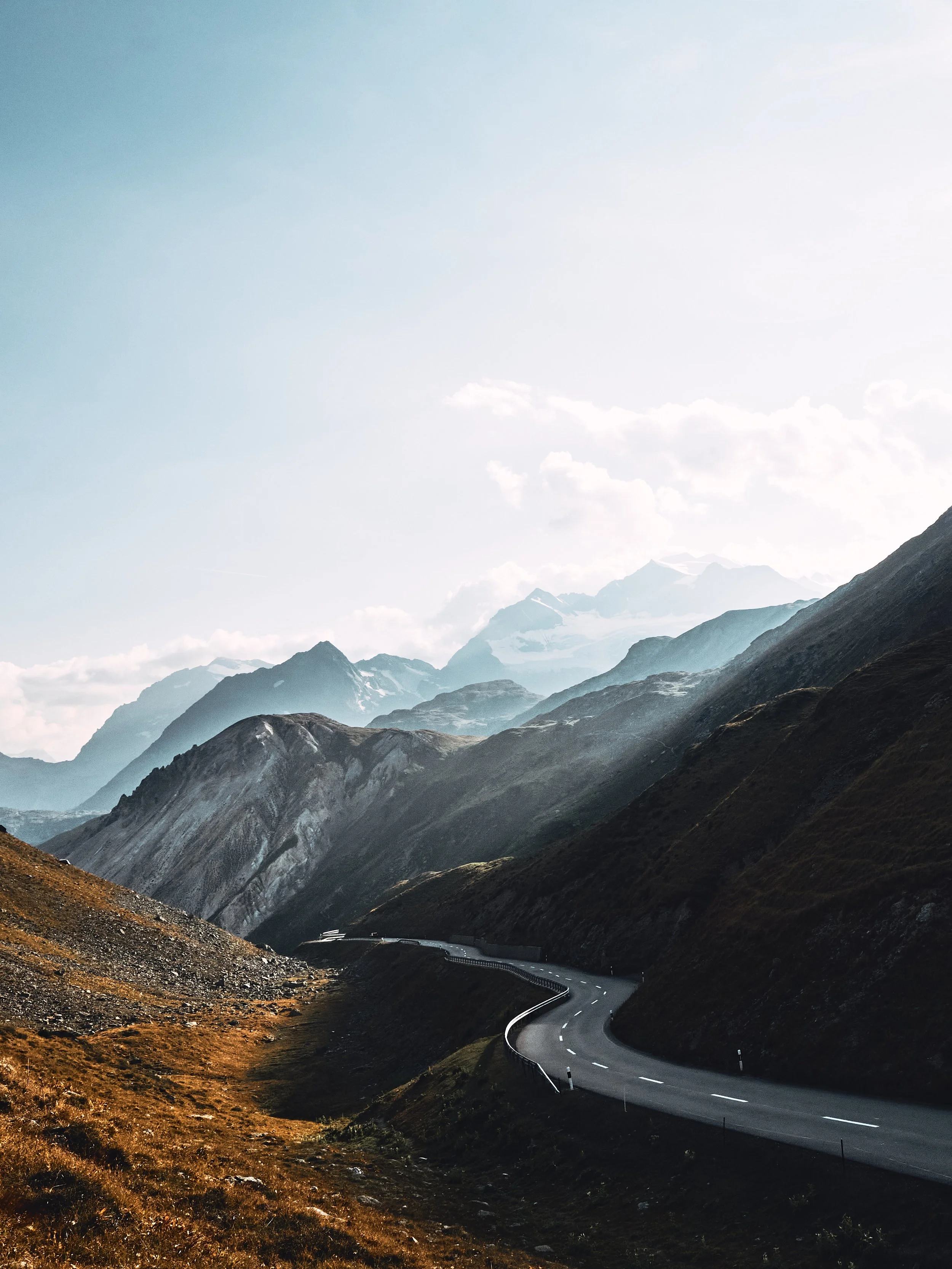
There is a moment, somewhere between the first climb and the first descent, when you realise you are no longer out for a ride. Wheels rolling away from a place that will not be waiting for you at the end of the day. There is a quiet gravity to that notion. You are not circling back. You are not testing yourself against a stopwatch. You are leaving, with intention. Beyond the loop, cycling becomes what it was always meant to be: a way of moving through the world at human speed, attentive to effort, landscape, and time.
Text & images
Novak Stefanovic
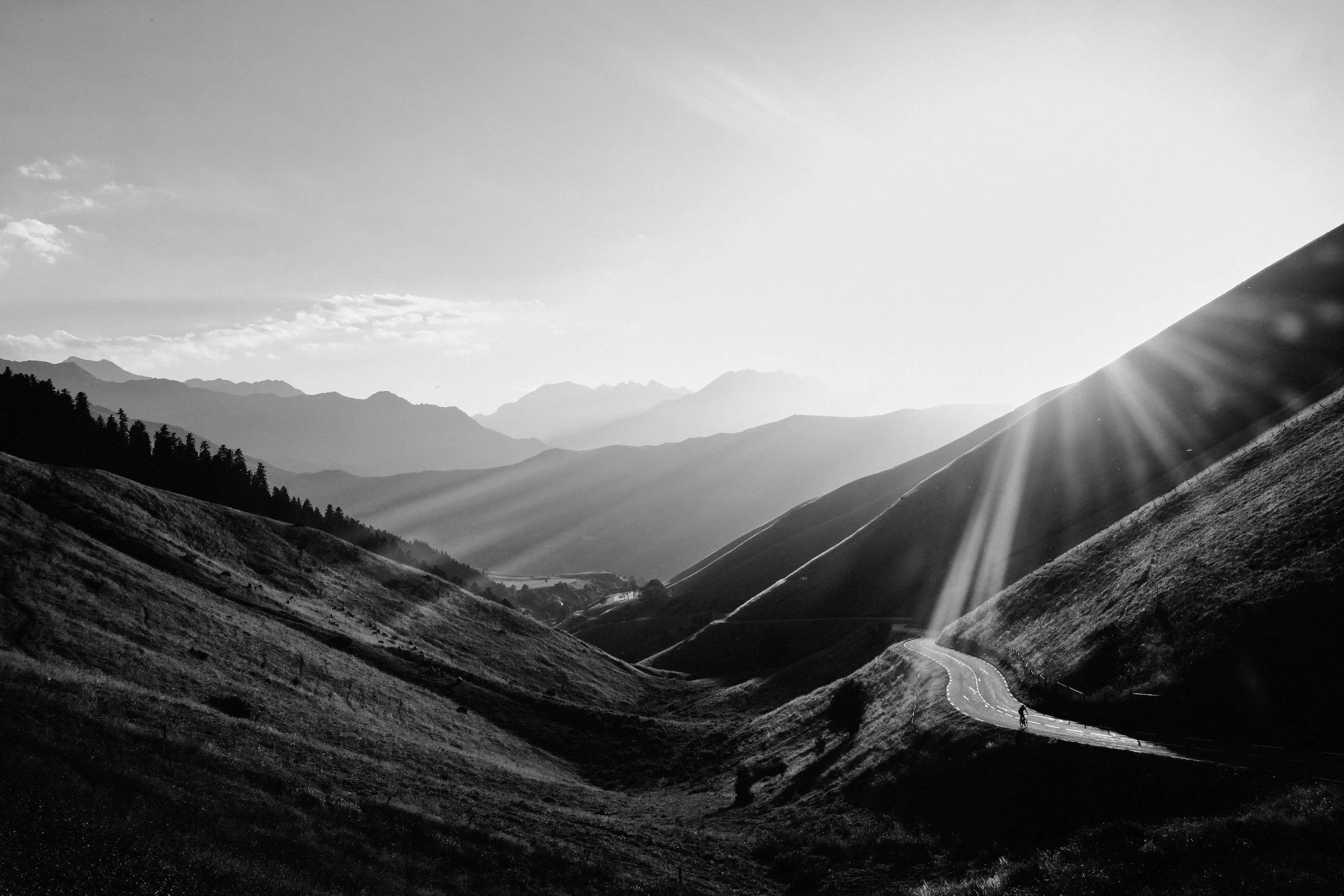
Mountains amplify this truth. A climb is no longer a challenge you can abandon. It is a passage you must complete to reach tomorrow. That pass is not optional; it is the only way through. And in that necessity, something profound happens: effort gains meaning. Pain becomes purposeful. You climb not to prove strength, but to continue the story.
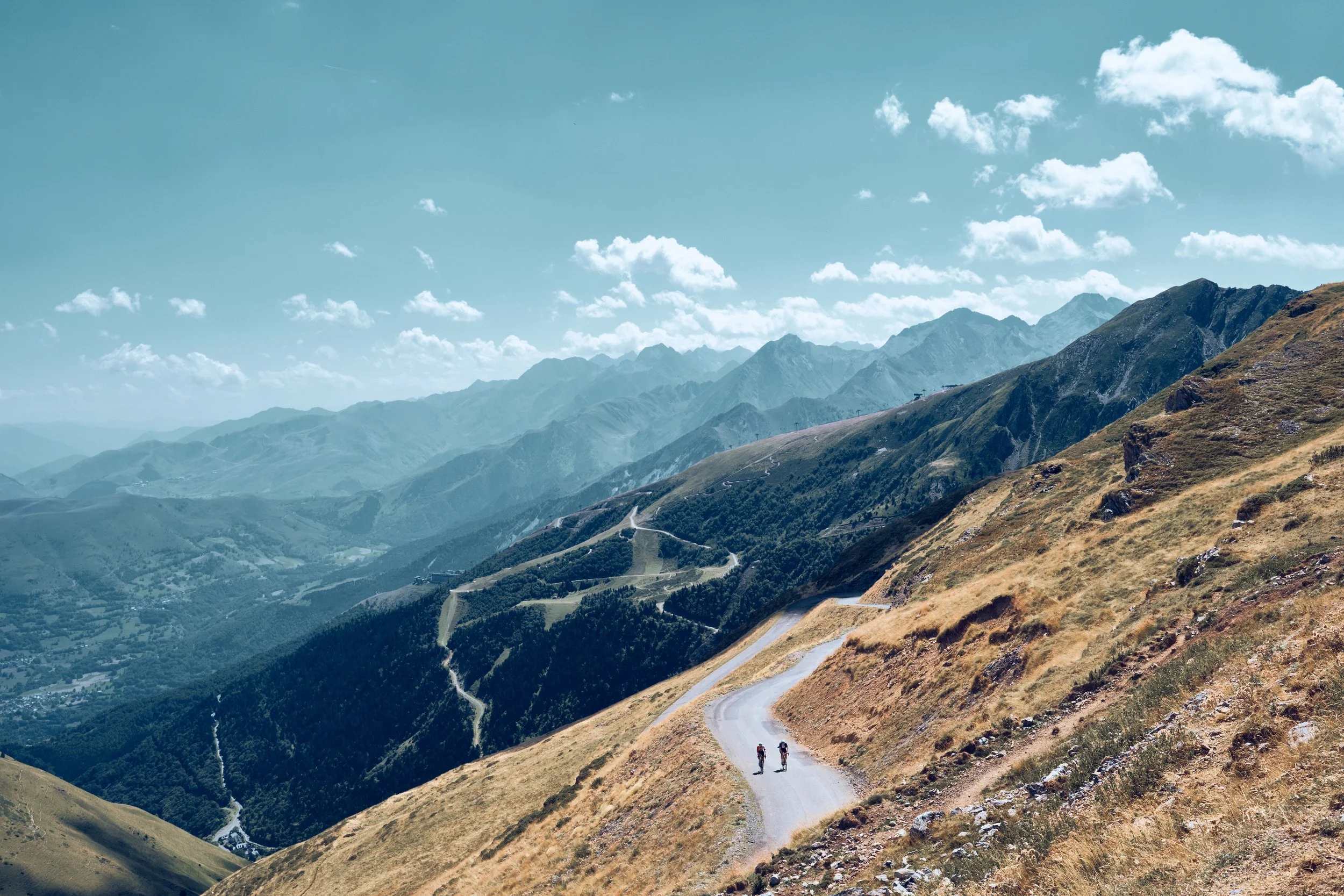
Sometimes that story unfolds along alpine valleys, where faith, history, and cycling myth cling to the mountainsides. Sometimes it rises into pale stone amphitheatres, where the road feels suspended between earth and sky. And sometimes, it becomes a true crossing — a long thread of climbs and descents that stitches together countries, cultures, and ways of living, asking only that you follow it with openness.
As the days unfold, the body adapts — but it is the mind that truly changes.
You begin to measure distance not in kilometres, but in sensations: the smell of pine at altitude, the sound of cowbells drifting across a valley, the sudden hush that comes when traffic disappears and only wind remains. You start recognising places not by names, but by how they made you feel.

There is humility in arriving by bicycle. You enter towns quietly, without spectacle. You notice things others pass by — the rhythm of life, the texture of stone, the way mountains frame daily existence. You are not consuming the landscape; you are moving through it at human speed, becoming part of it for a brief moment.
And then there is the most unexpected transformation: you stop thinking about the end. Arrival matters, yes — but not as a finish line. What stays with you are the transitions: the way a valley opens after a hard climb, the shift in language across a border, the subtle change in light as peaks reshape the sky. Point-to-point cycling teaches you that meaning lives between places. The journey, not the destination. It’s a tired old cliché, but it still holds true.
By the time you reach your final destination, something has softened. The urge to rush dissolves. You carry fewer questions, and the ones that remain feel lighter. You realise that the journey was never about conquering mountains, but about allowing them to guide you — pass by pass, day by day — into a deeper awareness of yourself.
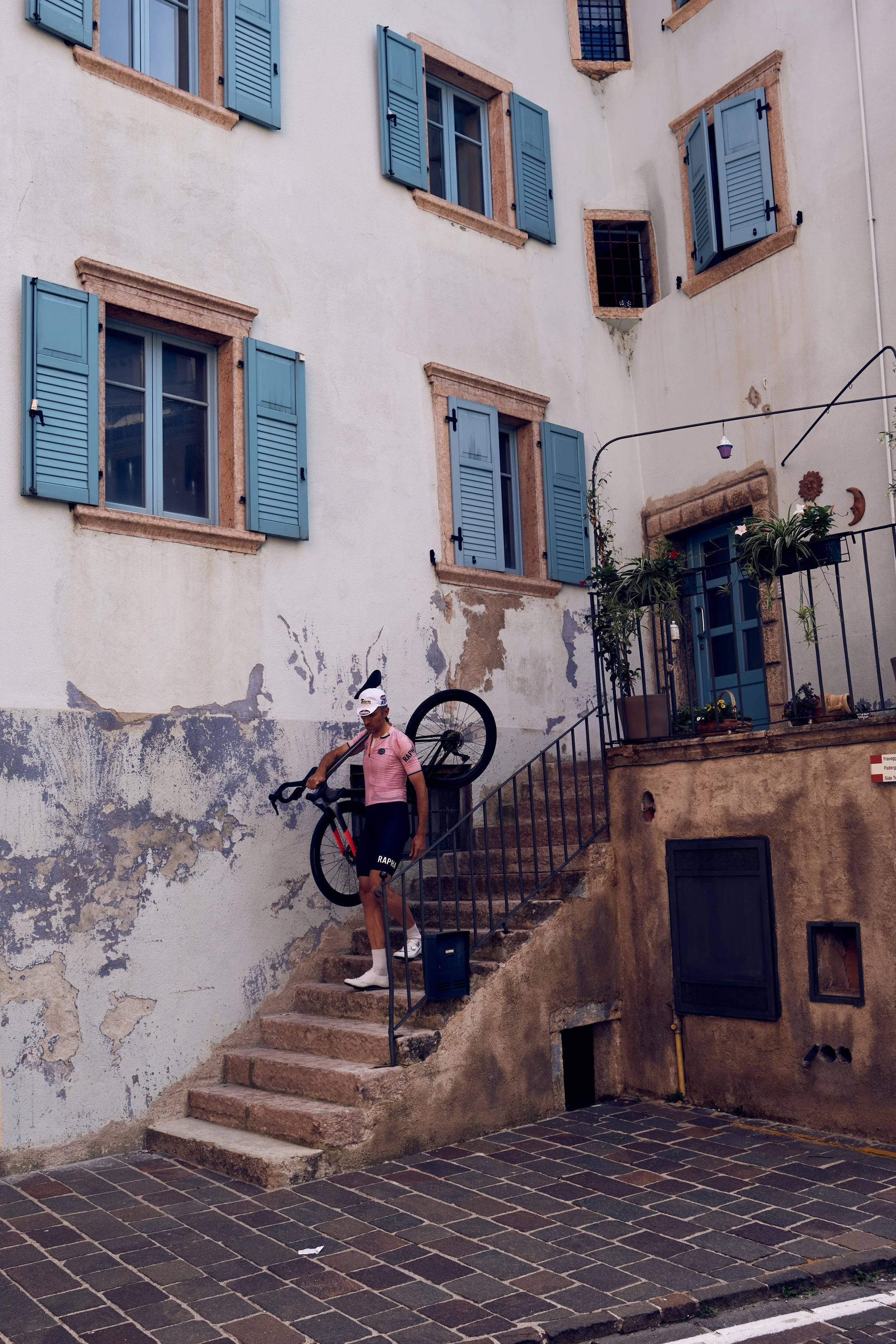
Point-to-point cycling changes everything because it mirrors life as we rarely allow it to be: forward-moving, uncertain, demanding, and quietly beautiful. You begin somewhere. You endure. You adapt. You arrive — changed, not because you tried to change, but because you kept going.
And once you’ve travelled this way, there is no unknowing it. Loops feel smaller. Short rides feel incomplete. Somewhere inside, a compass has shifted.
The road no longer asks where you’ll return to. It asks only: Where are you willing to go next?