
La Porta Alta
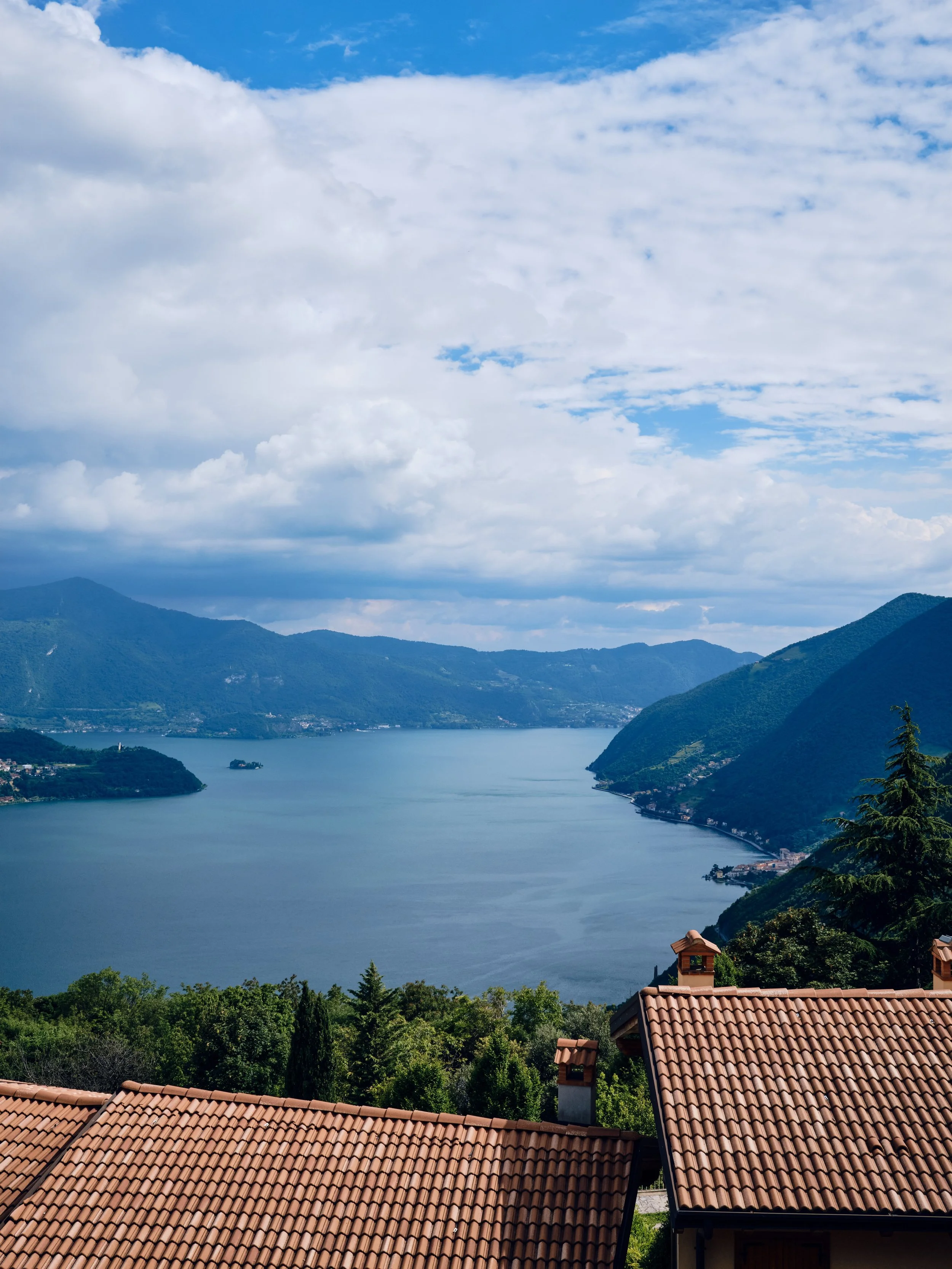
From the shores of lake Iseo to the cobbled lanes of Bagolino, this journey follows quiet mountain roads, uncovering the untamed landscapes, traditions and flavours of a remarkable corner of the Italian Alps.
Arrive (B)
BORMIO
46.4677° N, 10.3775° E
Depart (A)
ESINE
45.9258° N, 10.2508° E
Distance
148km / 92mi
Elevation Gain
4730m / 15.518ft
Notable Climbs
↗ 17km / 10.5mi ⁂ 7%
↗ 20,4km / 12.1mi ⁂ 5%
↗ 19.1km / 11.8mi ⁂ 6%
Croce di Salven
Vivione
Fretta
Gavia
Journey Profile

From the shores of Lago d’Iseo to the cobbled lanes of Bagolino, this journey follows quiet mountain roads and untamed landscapes, uncovering the traditions and flavours of a remarkable corner of the Italian Alps.
FORGOTTEN ALPS
The Village of Bagolino
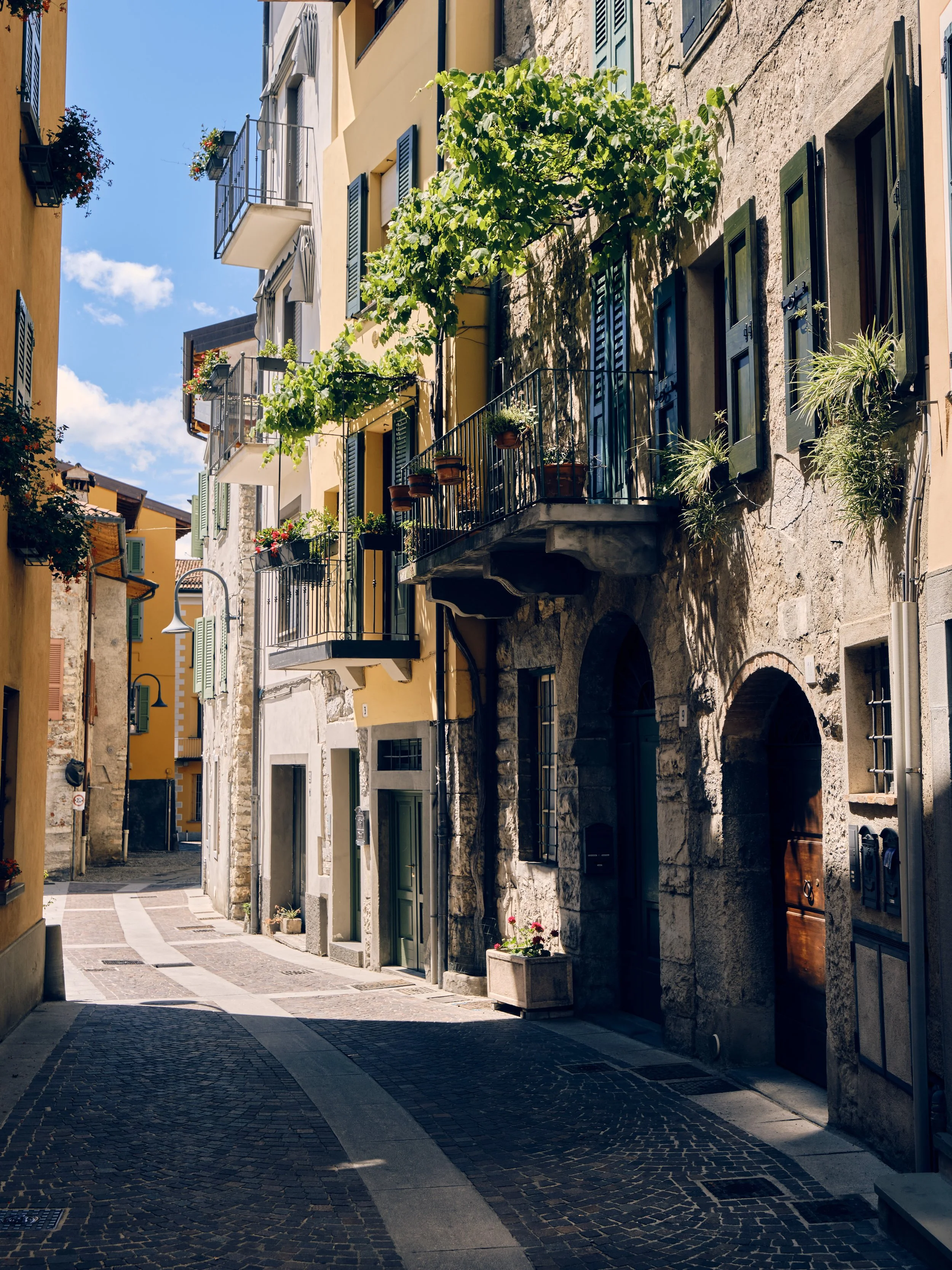
There are places in the mountains that seem to have escaped the passage of time. Bagolino is one of them.
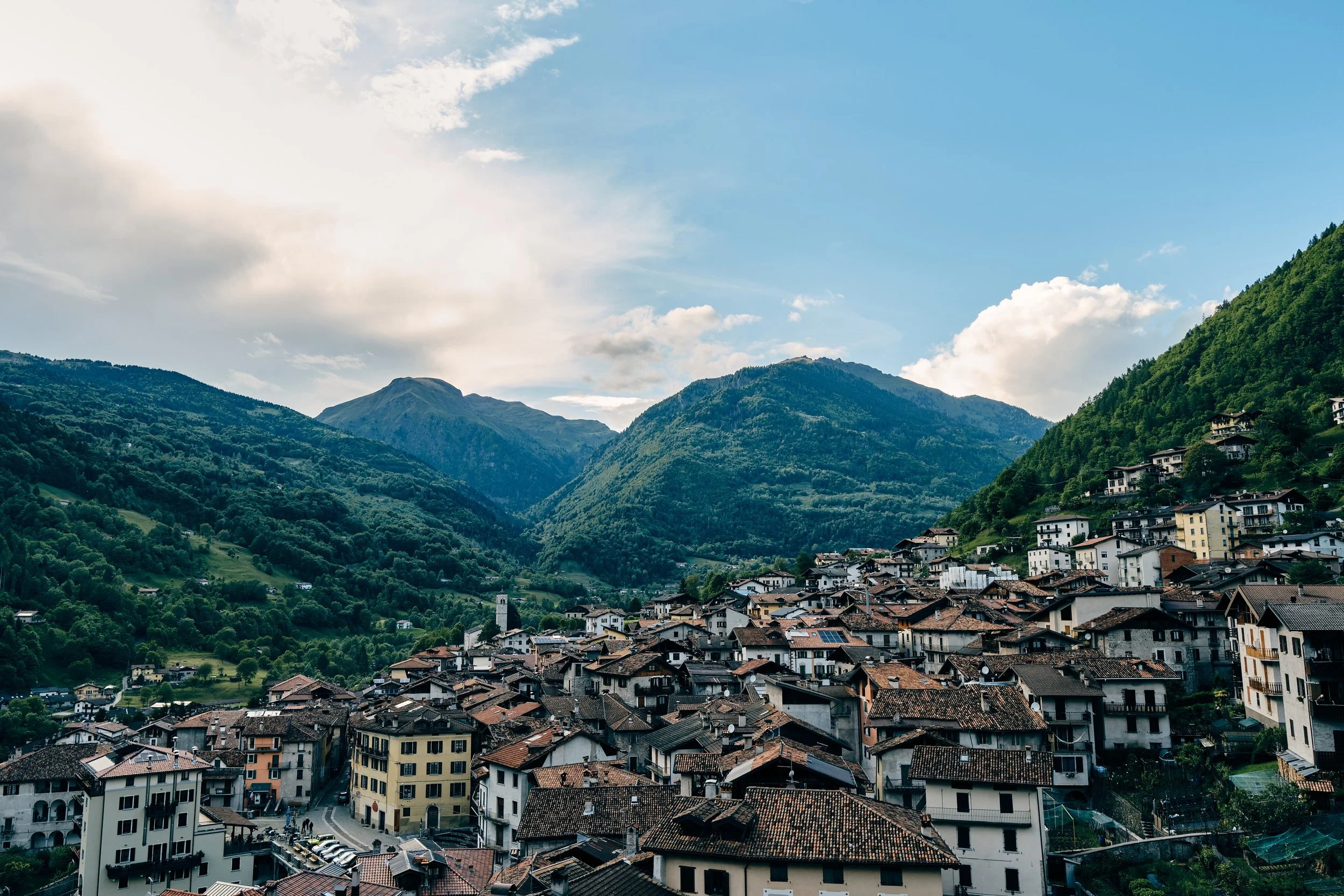
Tucked into the upper reaches of the Valle Sabbia, on the eastern side of the Italian Alps, Bagolino sits at around 770 metres above sea level, surrounded by forested slopes and the rugged peaks of the Adamello mountains. It is a village of narrow cobbled lanes, stone houses, wooden balconies and steep little stairways, where life still moves to a rhythm of its own.
Wandering through its old centre feels a little like stepping into another century. Buildings lean towards one another across narrow streets, small courtyards reveal unexpected details, and ancient churches stand quietly among the rooftops. There is no grand piazza demanding your attention, nor a famous landmark drawing crowds. Instead, Bagolino rewards those who take the time to explore.
Coming over Passo del Maniva the village offers a welcome change of pace. Take some time to explore its old streets, find a table in a traditional trattoria and, above all, try a piece of Bagòss with polenta.
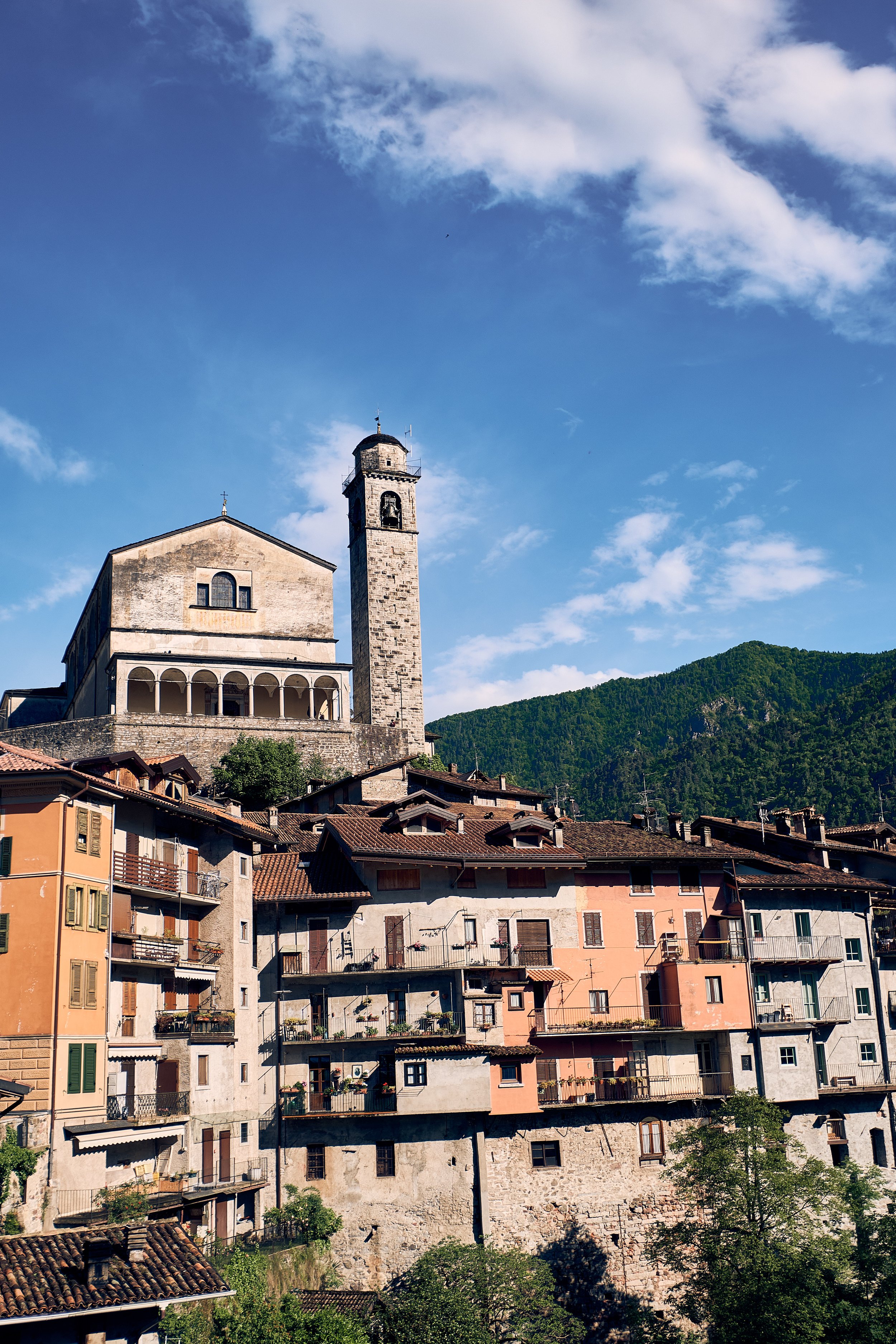
Church of St. Georgio, known as the Cathedral in the Mountains
Bagolino Bagòss
Perhaps the village's most famous export is Bagòss, a distinctive, long-aged hard cheese made from raw cow's milk. Its secret ingredient is saffron, which gives the cheese its characteristic golden colour and delicate aromatic notes.
The tradition dates back at least five centuries. It is still made using traditional methods, including cooking the milk over a wood fire in copper cauldrons
There are places in the mountains that seem to have escaped the passage of time. Bagolino is one of them.
Tucked into the upper reaches of the Valle Sabbia, on the eastern side of the Italian Alps, Bagolino sits at around 770 metres above sea level, surrounded by forested slopes and the rugged peaks of the Adamello mountains. It is a village of narrow cobbled lanes, stone houses, wooden balconies and steep little stairways, where life still moves to a rhythm of its own.
Wandering through its old centre feels a little like stepping into another century. Buildings lean towards one another across narrow streets, small courtyards reveal unexpected details, and ancient churches stand quietly among the rooftops. There is no grand piazza demanding your attention, nor a famous landmark drawing crowds. Instead, Bagolino rewards those who take the time to explore.
Coming over Passo del Maniva the village offers a welcome change of pace. Take some time to explore its old streets, find a table in a traditional trattoria and, above all, try a piece of Bagòss with polenta.
Bagolino Bagòss
Perhaps the village's most famous export is Bagòss, a distinctive, long-aged hard cheese made from raw cow's milk. Its secret ingredient is saffron, which gives the cheese its characteristic golden colour and delicate aromatic notes.
The tradition dates back at least five centuries. It is still made using traditional methods, including cooking the milk over a wood fire in copper cauldrons.
A carnival like no other
Every February, Bagolino comes alive with one of northern Italy's oldest carnival celebrations, a tradition documented as far back as 1518.
Dancers dressed in elaborate costumes, musicians playing violins and mysterious masked characters fill the narrow streets. The dances and melodies have been passed down through generations, preserving a remarkable piece of Alpine folk culture.
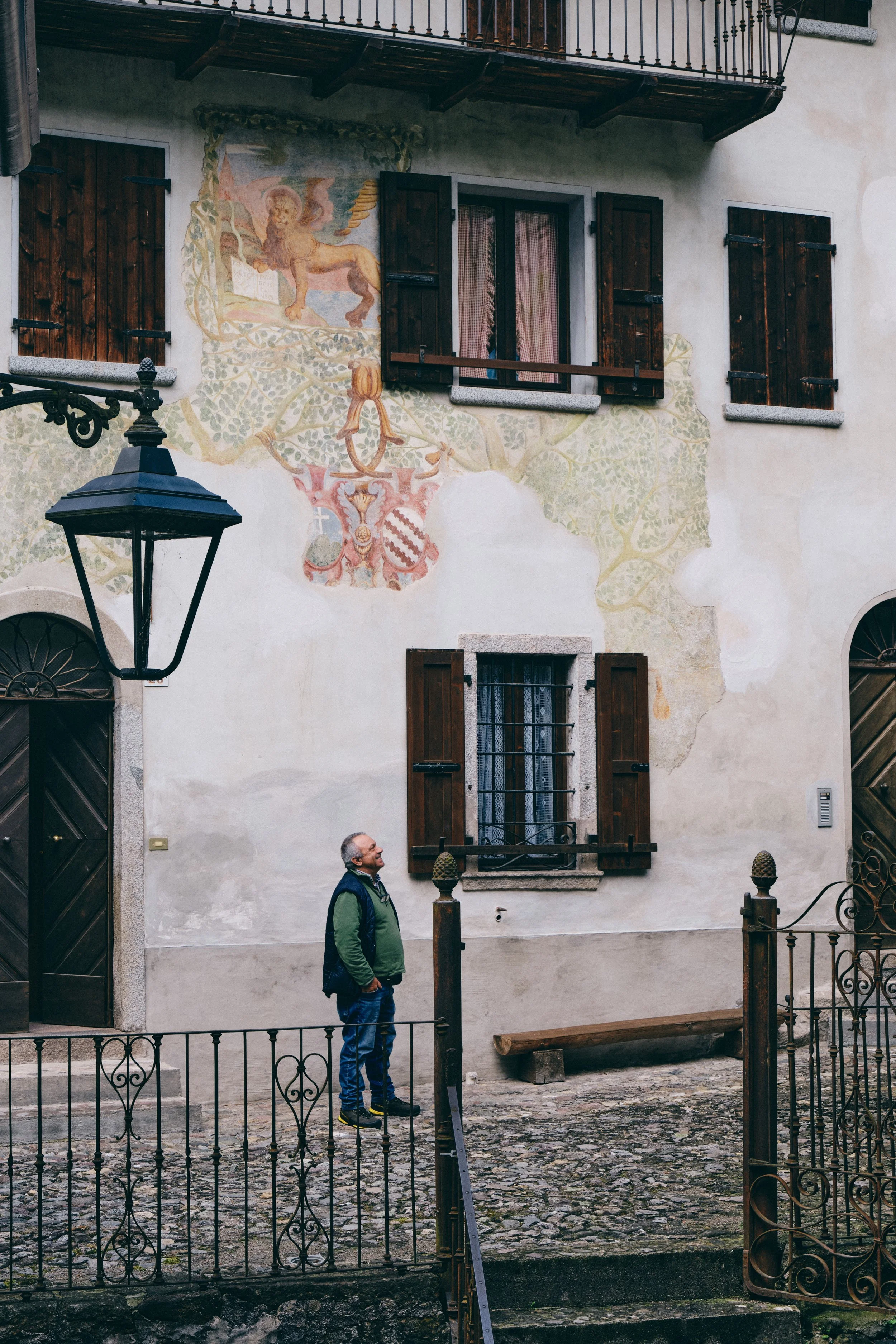
Architecture still carries the colours of the Republic of Venice
A carnival like no other
Every February, Bagolino comes alive with one of northern Italy's oldest carnival celebrations, a tradition documented as far back as 1518.
Dancers dressed in elaborate costumes, musicians playing violins and mysterious masked characters fill the narrow streets. The dances and melodies have been passed down through generations, preserving a remarkable piece of Alpine folk culture.
From the shores of Lago d’Iseo to the cobbled lanes of Bagolino, this journey follows quiet mountain roads and untamed landscapes, uncovering the traditions and flavours of a remarkable corner of the Italian Alps.
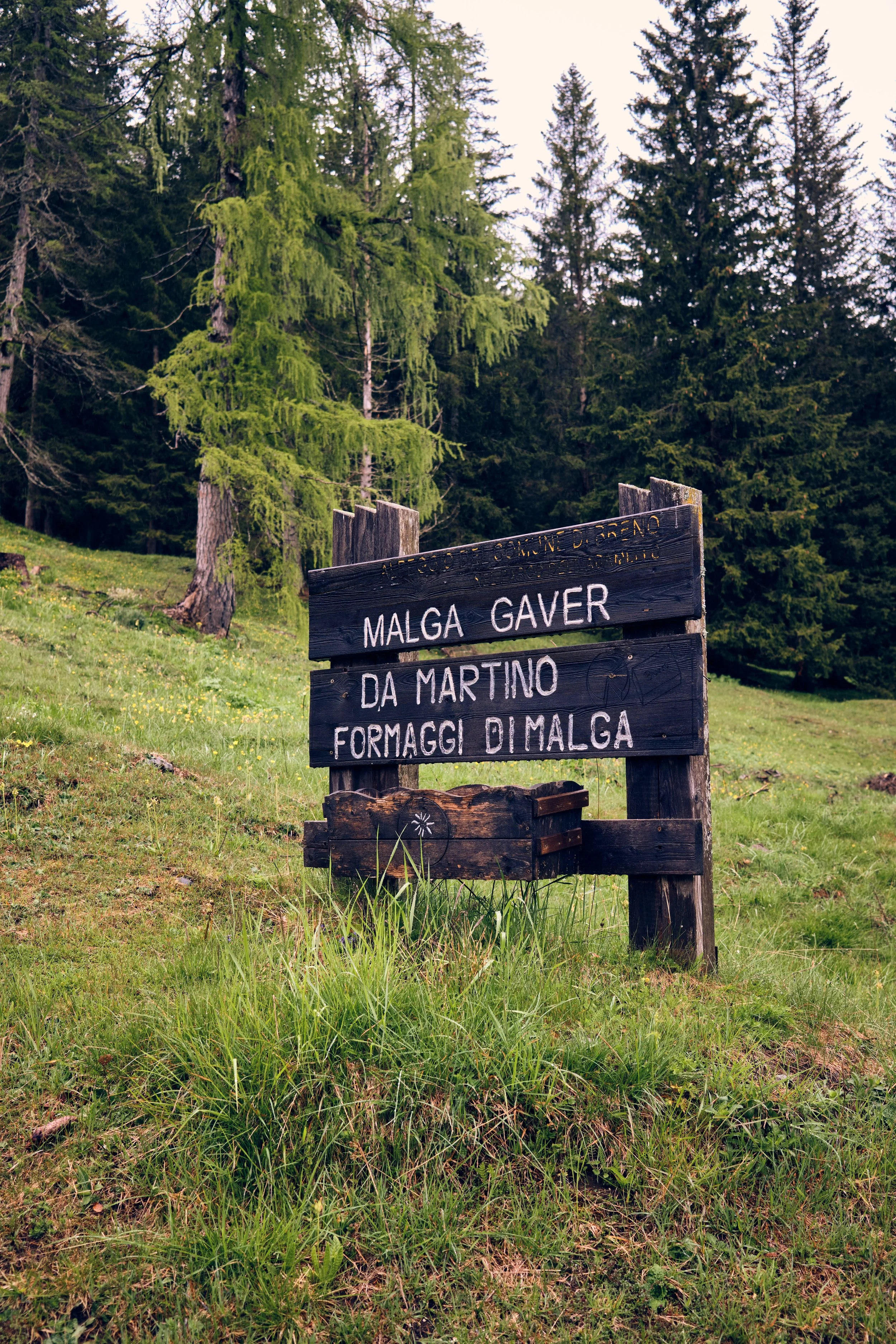
FORGOTTEN ALPS
The Address Book
Our selection of places to stay and dine brings the best of alpine hospitality and flavour
ISEO
45.65° N, 10.05° E
BAGOLINO
45.65° N, 10.05° E
Dine
Ai Buratini
Show directions
Visit website
—
El Taler
Show Directions
Visit website
—
Osteria della Villetta
Show Directions
Visit website
ESINE
45.65° N, 10.05° E
Dine
Ai Buratini
Show directions
Visit website
El Taler
Show Directions
Visit website
Stay
Hotel Rivalago
Show directions
Visit website
Villa Biondelli
Visit website
Dine
Ai Buratini
Show directions
Visit website
El Taler
Show Directions
Visit website
Stay
Hotel Rivalago
Show directions
Visit website
Villa Biondelli
Visit website
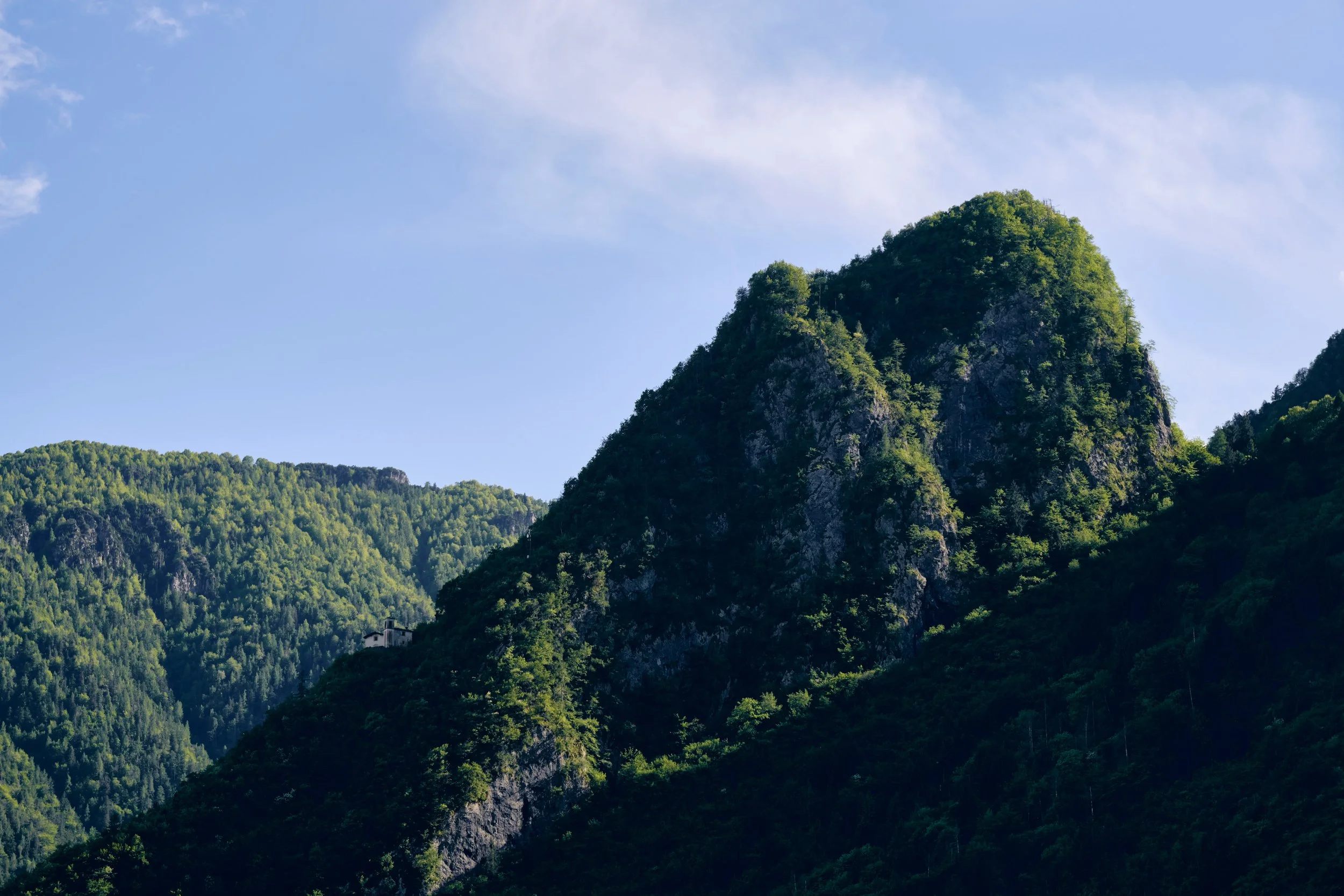
You might also like
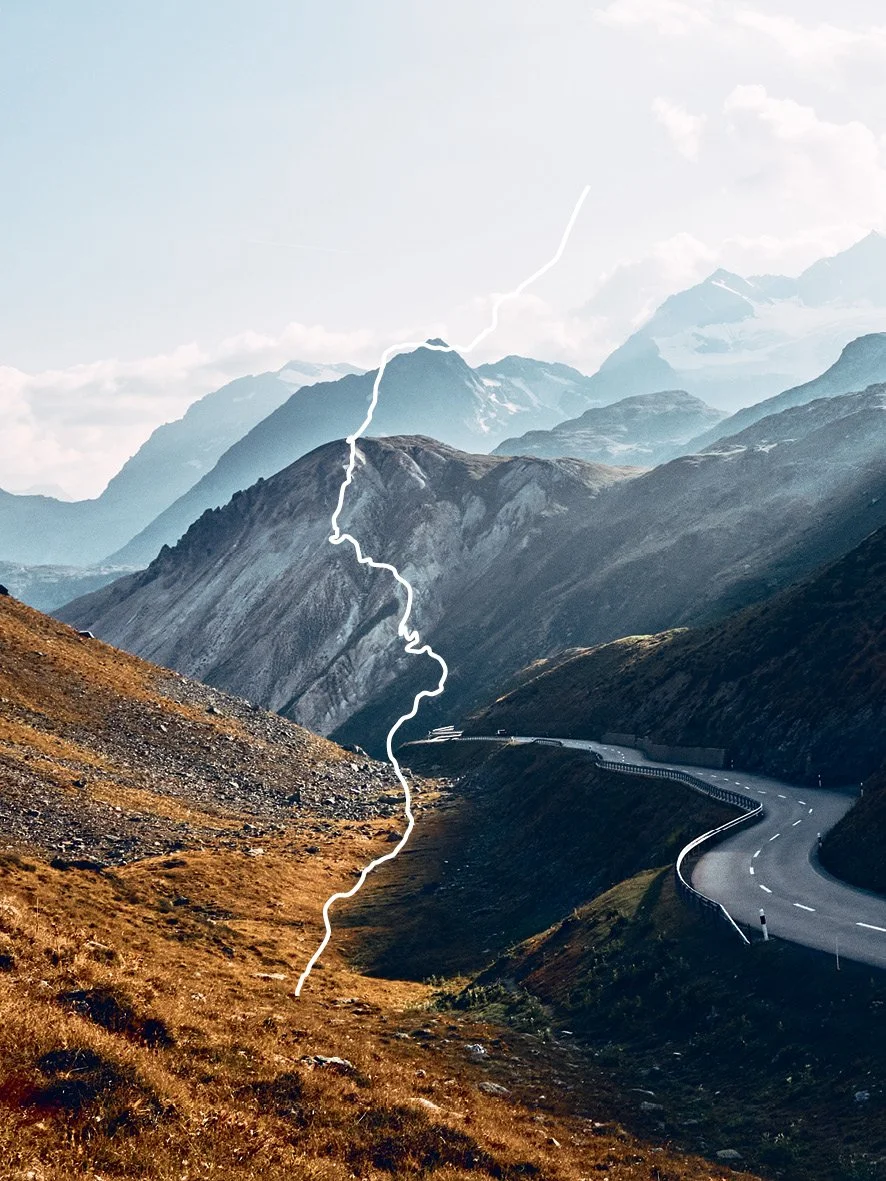
Lady Called Bernina
LOMBARDIA
Crossing borders and high alpine valleys, this journey will take you from Tirano to the alpine town of Bormio.

Forgotten Alps
LOMBARDIA
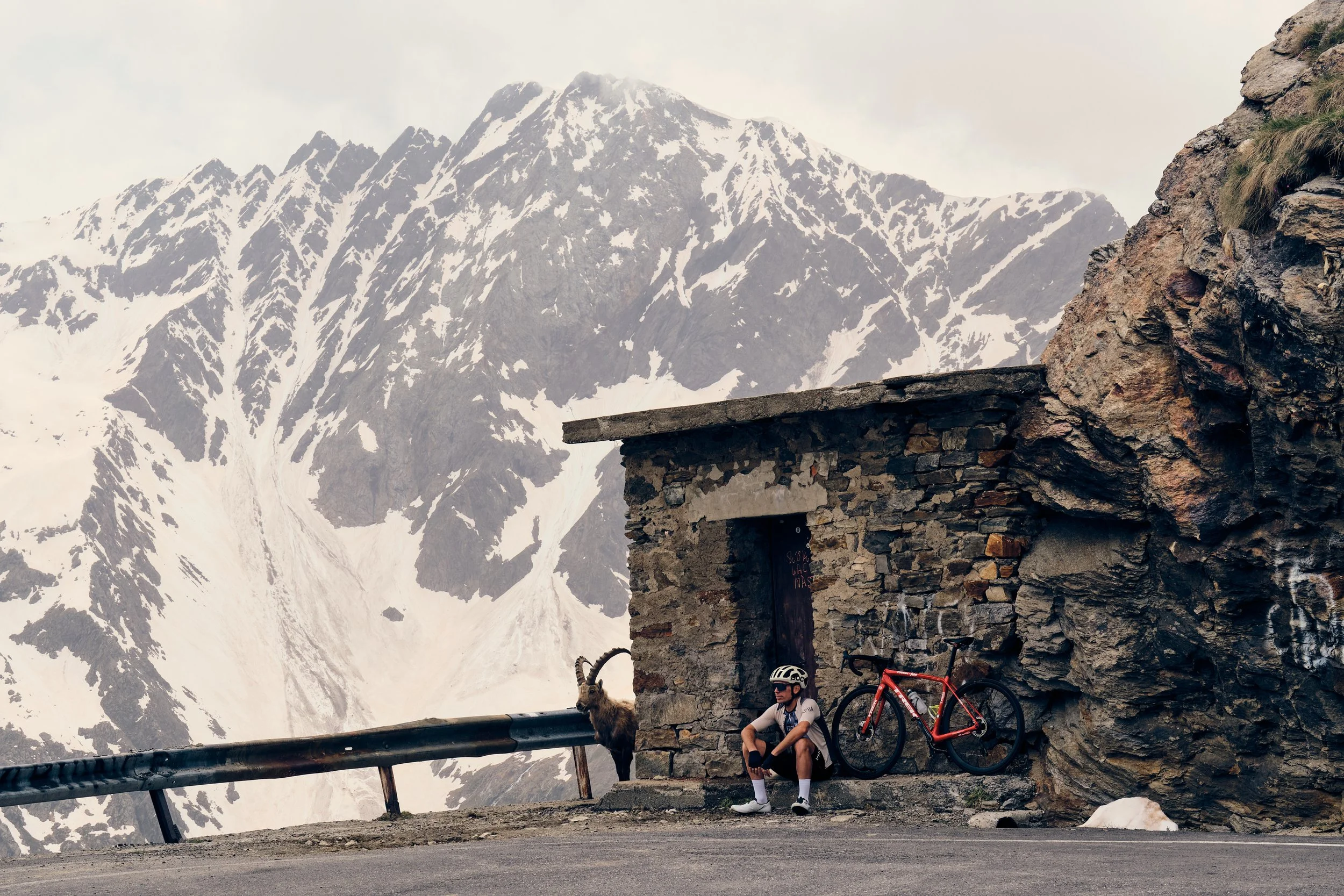
La Porta Alta
LOMBARDIA
Crossing borders and high alpine valleys, this journey will take you from Tirano to the alpine town of Bormio.
Crossing borders and high alpine valleys, this journey will take you from Tirano to the alpine town of Bormio.
Crossing borders and high alpine valleys, this journey will take you from Tirano to the alpine town of Bormio.
Lady Called Bernina
LOMBARDIA