
THE
JULIANS
Journey
Slovenia Brevet
Text & images
Novak Stefanovic
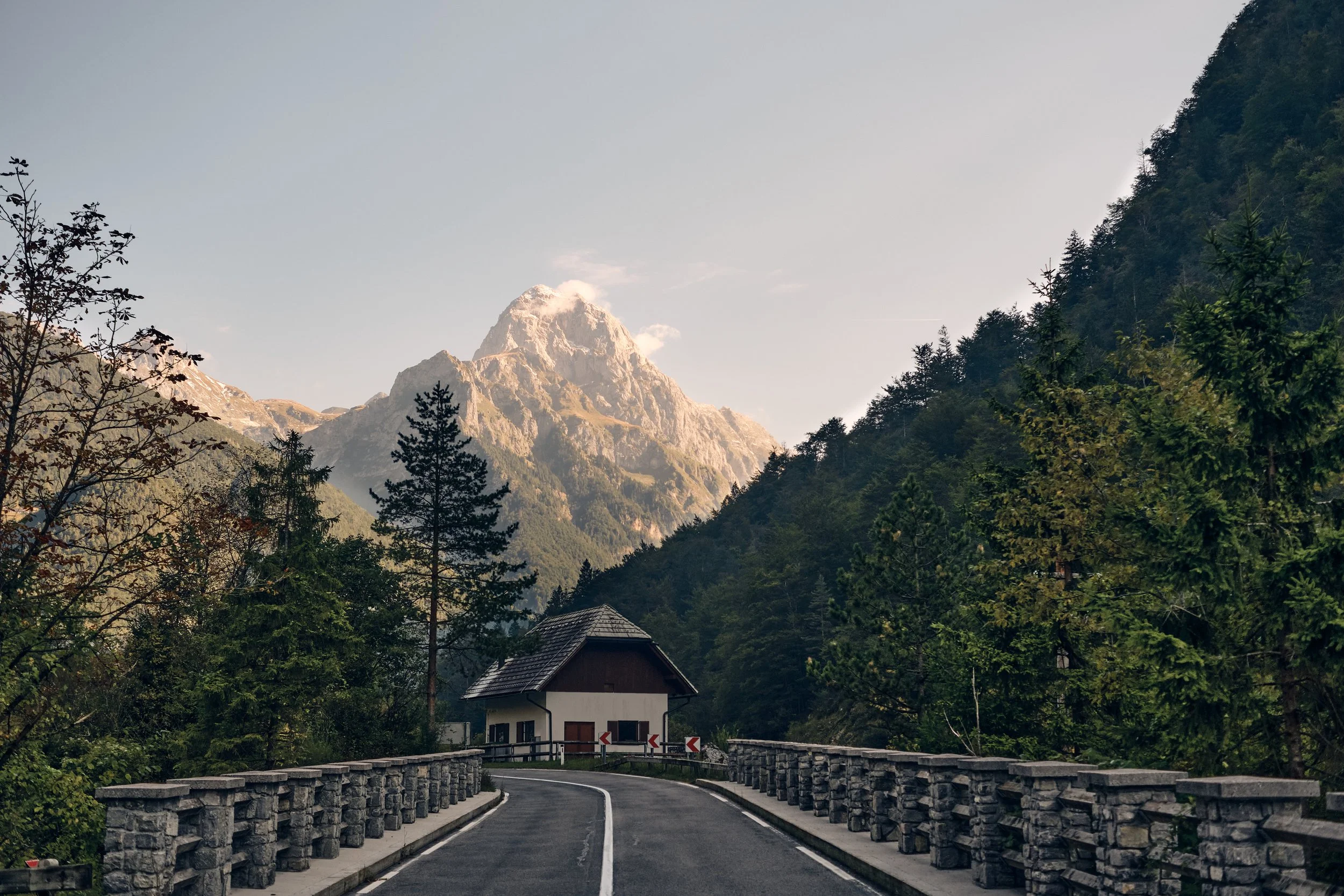
Cyclists rarely speak about this place. The Dolomites shout. The Stelvio performs. The Julian Alps, by contrast, sit quietly in the corner, waiting, as they always have, for those willing to ride without needing to be seen. That might be precisely why I’m drawn to them.
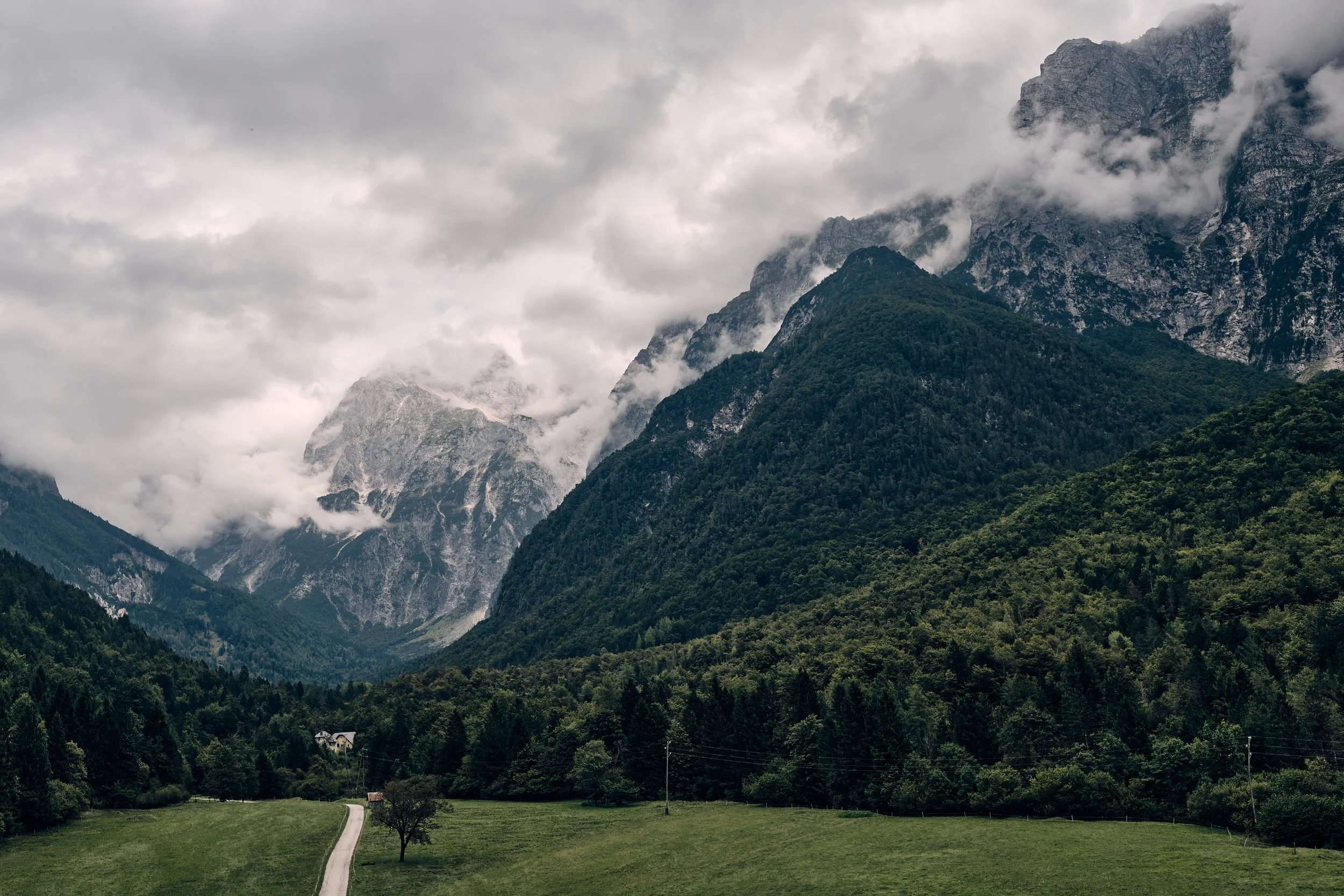
Tucked along the border between Slovenia and Italy, the Julian Alps occupy a strange position in the cycling imagination: geographically central, yet strangely overlooked. They lack the myth-making effort required of more famous Alpine regions, and perhaps because of that, they have been left largely unnoticed. Roads remain narrow and lightly trafficked. Villages are modest, yet beautiful. The mountains rise abruptly, but without spectacle. Riding here feels less like entering a destination and more like stepping into a state of mind—one where attention shifts inward as the outside world grows quieter.
The morning was still heavy with the previous night’s rain when we rolled out of our hotel in Kranjska Gora. Clouds clung low to the surrounding peaks, as if unsure whether to lift or stay. Our route traced two of the Julian Alps’ defining climbs: Vršič Pass first, followed by Mangart—a beautiful road that leads, quite deliberately, to nowhere.
VRŠIC PASS
Leaving town, the road climbed gently, easing us into the day. The air had the clarity of cold alpine water poured into a glass. After a few forgiving kilometres, the gradient sharpened toward a pale, rocky skyline, asking difficult questions of bodies that could have used another cup of morning coffee. Larch and pine trees stood shoulder to shoulder, watching us pass.
There was a quiet acceptance among us as the climb settled into its rhythm. The gradient was steady, broken occasionally by cobbled hairpins—24 of them in total, each numbered almost apologetically. The same switchbacks that inspired hotelier Georges Rajon to install the numbers on Alpe d'Huez. Some of us stopped at the Russian Chapel, while the rest, without noticing continued in silence.
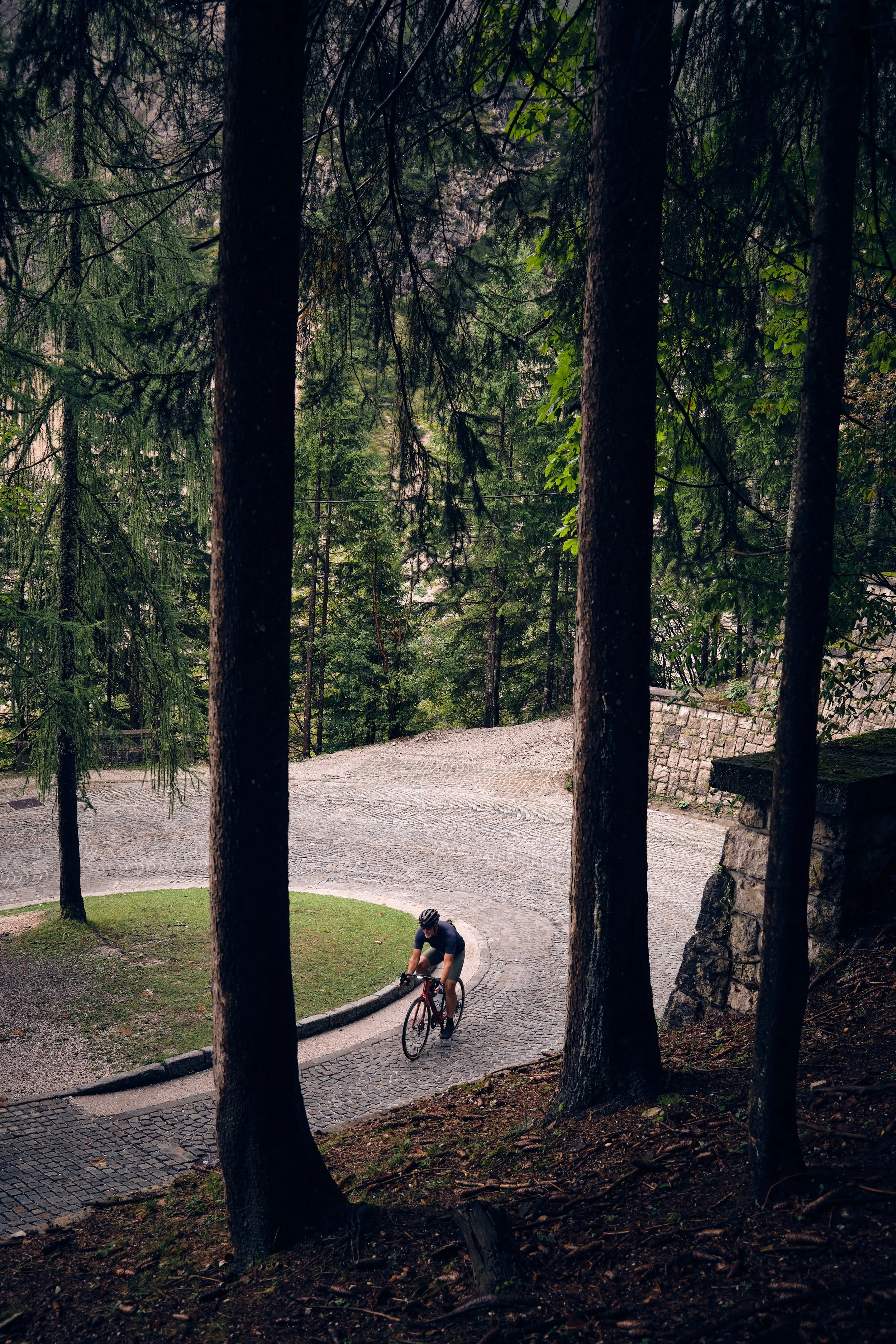
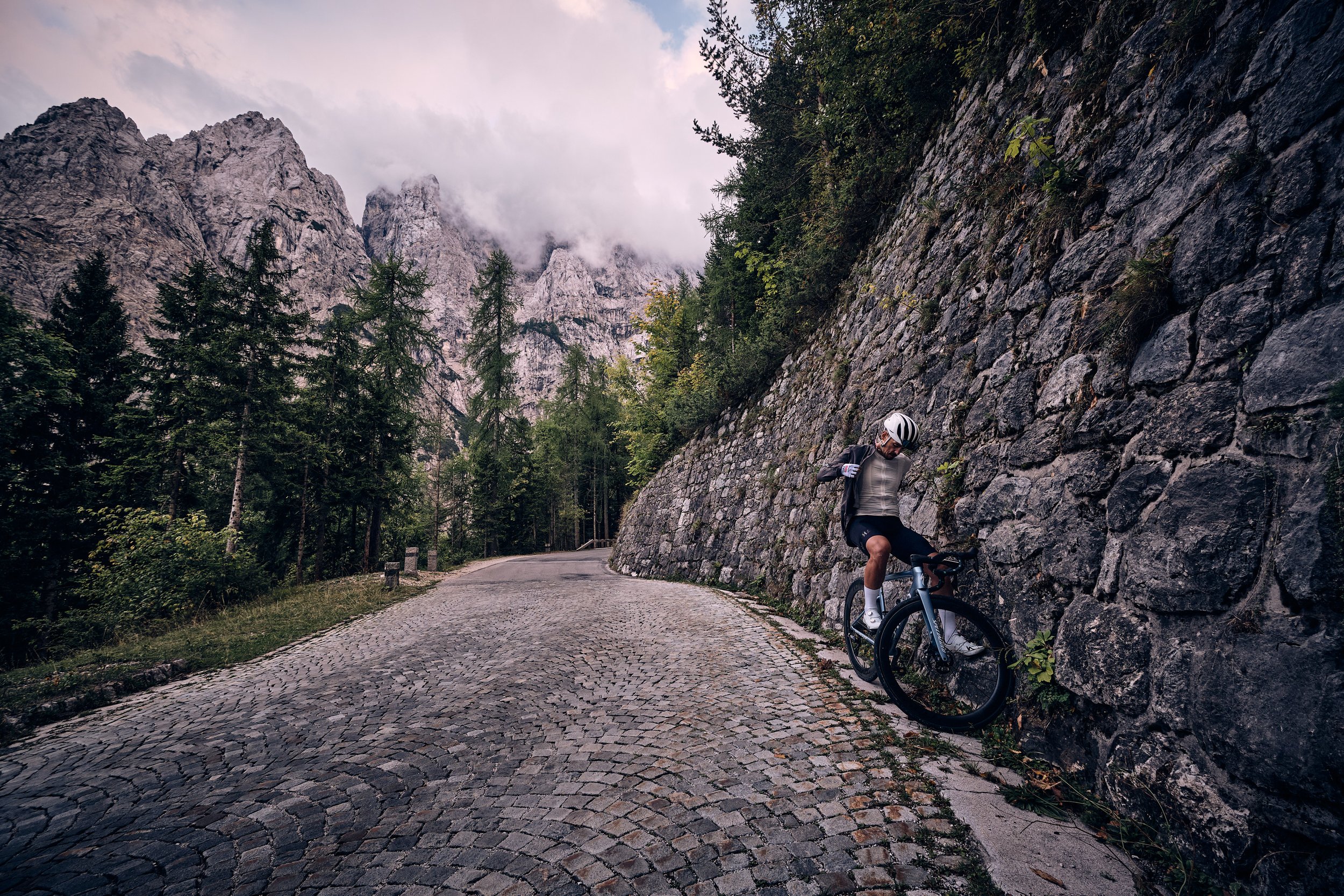
Known among the locals as the Russian road, Vršič Pass with its 24 cobbled hairpins is like nothing else out there.
The Vršič Pass is the Julian Alps’ most well-known climb, though “well-known” is relative. At 1,611 meters, it connects Kranjska Gora with the upper Soča Valley, following a route built during the First World War by Russian prisoners of war—hence its local nickname, the Russian Road. History is present, but never insistent. A small wooden chapel sits quietly by the roadside, easy to miss if you are riding too fast.
The summit itself felt transitional rather than triumphant. Forest gives way to pale rock and open sky, revealing the depths of Triglav National Park and, beyond it, a slender ribbon of tarmac spilling into the Soča Valley below. It is a place to pause, not to celebrate.
THE ROAD TO NOWHERE
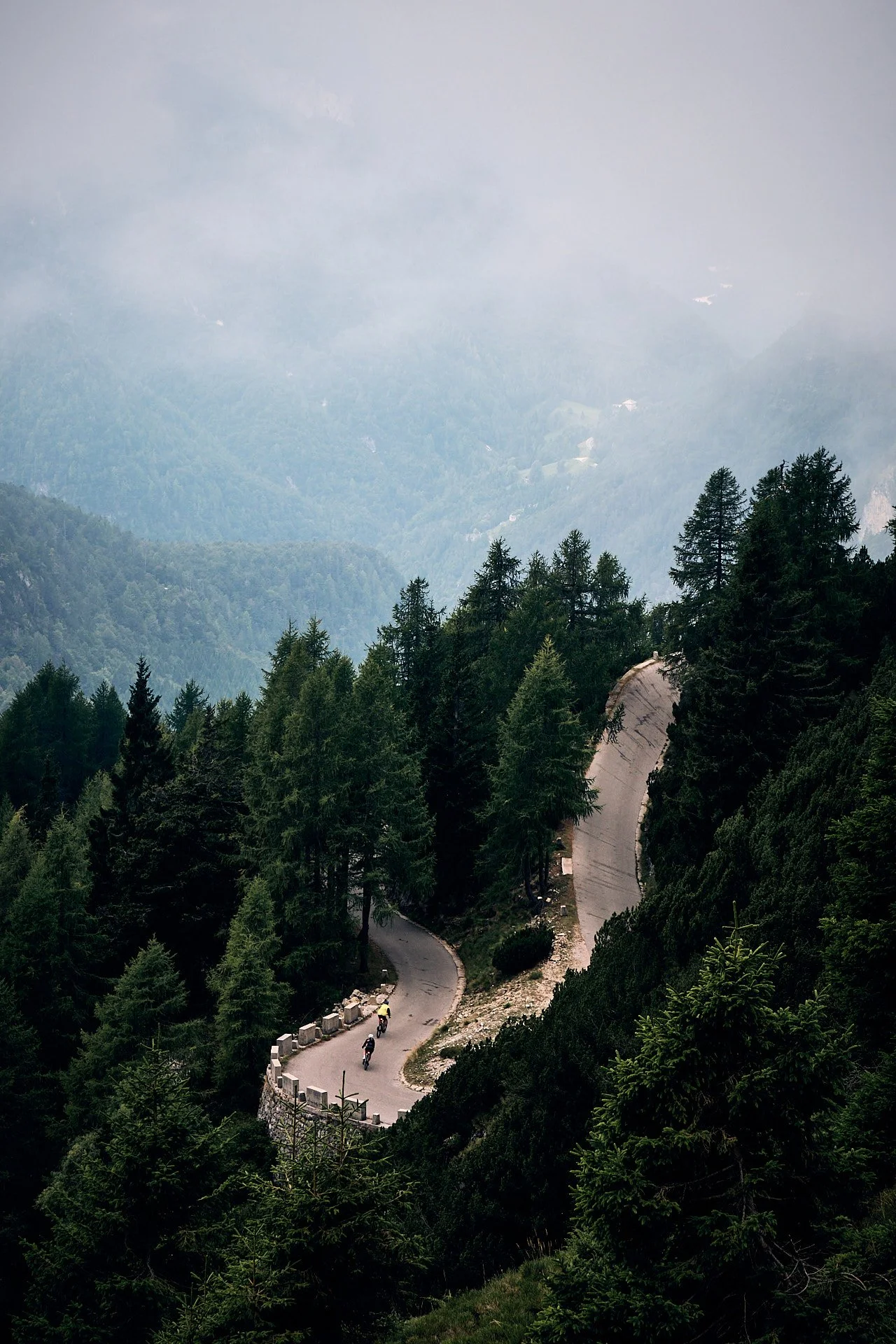
If Vršič felt composed and collective, the road to Mangart felt deeply personal. As we approached the Italian border, the main road fell away and a narrow sliver of tarmac began climbing toward the high peaks. It wasted no time. The gradient rose sharply through the forest before pushing above the treeline, as if ensuring that anyone continuing was willing to be alone.
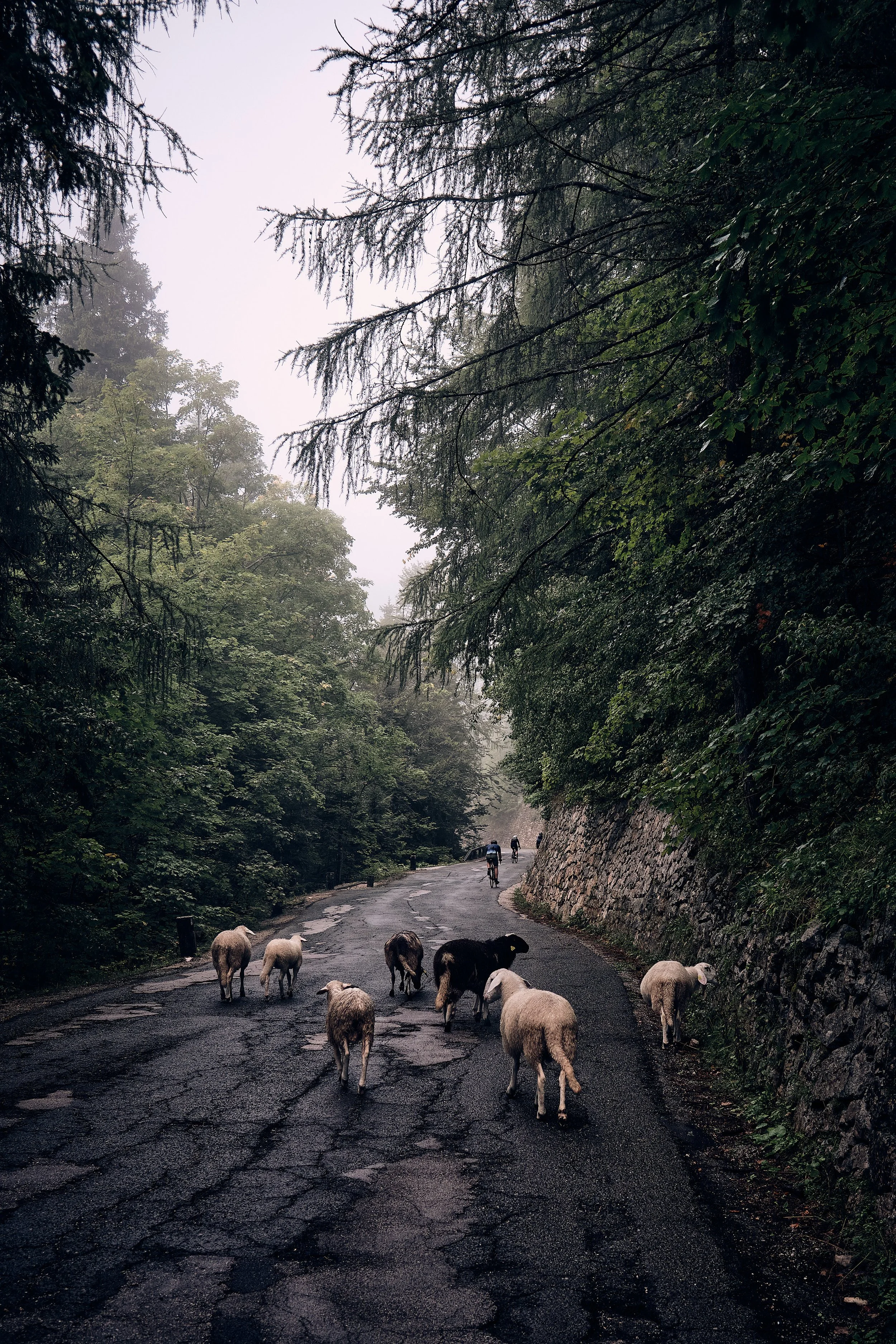
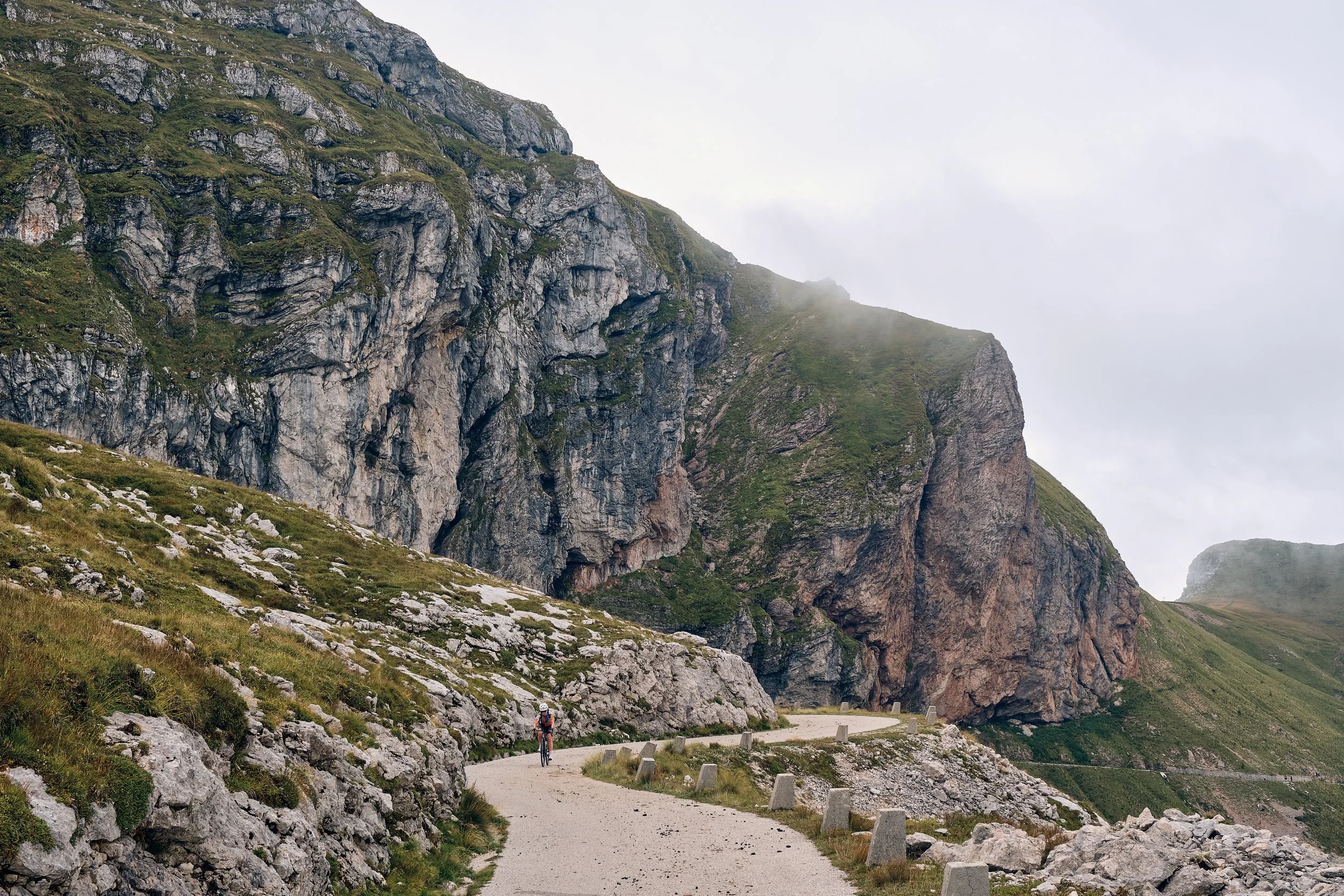
Switchbacks followed—tight, exposed, carved directly into the rock, stacked one above the other. The sense of isolation was immediate. There were no villages, no signs, no through traffic. The silence felt deliberate, broken only by the sound of breathing and the distant bells of sheep on high pastures.
Unlike most iconic climbs, Mangart leads nowhere. The road ended abruptly beneath towering limestone walls, as if it simply decided it had gone far enough. Standing there, wrapped in cloud, it felt less like reaching a summit and more like touching the edge of something—geographically and mentally. A place that exists purely for the sake of being there. A pure alpine climb like no other.
On the ride back to Kranjska Gora, I found myself thinking about the Julian Alps and why they linger so strongly. These roads do not demand to be conquered, documented, or compared. They allow space—for silence, for effort without performance, for riding without an audience.
Beauty here is abundant yet understated. A stretch of alpine cobbles curving through forest. The improbable turquoise of the Soča River far below. Long moments where the only sound is the drivetrain and your own breathing. Nothing insists on being remembered, yet everything remains clear and vivid long after the ride is over.
The Julians seem to leave an impression by not reveal themselves all at once. They simply remain, waiting, as they always have, for those willing to ride without needing to be seen.
30 Aug — 6 Sept 2026